
"flower petal tabletop"
25400 article(s) found

The forming Environment of Coffee trees
In botany, coffee trees belong to the evergreen trees of the subgenus Rubiaceae, and coffee beans, commonly known as coffee beans, are actually the seeds of the fruit of coffee trees, just because they are shaped like beans. Climate is the decisive factor for coffee cultivation. Coffee trees are only suitable for growing in the tropics or subtropics, so the zone between latitude 25 degrees south and north is generally called coffee belt or coffee area.
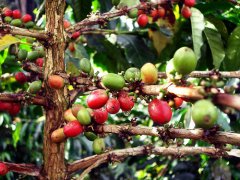
Plant classification of coffee beans
Green trees and Rubiaceae plants have been dominated by plants with special effects since ancient times, such as quinine tree, which is regarded as a specific drug for malaria, and Dugen, which is used to treat amigellosis. Coffee is positioned as the most unique alkaloid drinking plant group. Usually after sowing for two to three years, coffee trees can grow to a height of about five to ten meters, but to prevent coffee beans from losing their aroma and taste, and

What kind of coffee beans do they belong to in plants
Coffee tree belongs to the evergreen tree of Rubiaceae. Since ancient times, most of the plants of Rubiaceae are plants with special effects, such as quinine tree, which is regarded as a specific drug for malaria, and Dugan, which is used to treat amoeba dysentery. Coffee is defined as the most unique alkaloid drinking flora.

How to classify coffee beans
Plant classification Coffee tree belongs to the evergreen tree of Rubiaceae. Rubiaceae plants have been dominated by plants with special effects since ancient times, such as quinine tree, which is regarded as a specific drug for malaria, and Dugan, which is used to treat Amiba dysentery. Coffee is defined as the most unique alkaloid drinking flora. Usually after sowing for two to three years, coffee trees can grow to a height of about five to ten meters, but to prevent the loss of coffee beans.
Coffee knowledge the generating environment of coffee trees
In botany, coffee trees belong to the evergreen trees of the subgenus Rubiaceae, and coffee beans, commonly known as coffee beans, are actually the seeds of the fruit of coffee trees, just because they are shaped like beans. Climate is the decisive factor for coffee cultivation. Coffee trees are only suitable for growing in the tropics or subtropics, so the zone between latitude 25 degrees south and north is generally called coffee belt or coffee area.

Coffee flower often makes mistakes operation reasons and solutions latte flower difficult to learn
Professional coffee knowledge exchange More coffee bean information Please pay attention to coffee workshop (Weixin Official Accounts cafe_style) Other mistakes people will make when making coffee art. In addition to adding ordinary milk to ordinary coffee, beginners will also make the following mistakes when pulling flowers upside down: pouring milk too fast

The planting environment of coffee trees introduces which countries are the most suitable for growing coffee
The first flowering period of the coffee tree is about three years old. the white five-petal tube-shaped flowers are filled with a faint scent of jasmine and the inflorescences are arranged in dense clusters. Flowers wither after two or three days of blooming and begin to bear fruit after a few months. The fruit is a drupe with a diameter of about 1.5 cm, which is green at first, then turns yellow gradually, and turns red after ripening, which is very similar to cherries.

The Classification of Coffee beans: a Sociological Analysis of the reasons for Starbucks' success
Botanical classification of coffee beans: the circular zone at the tip of the north-south regression line, which we call Coffee Zone or Coffee Belt. Because the area is rich in rich organic matter and volcanic ash soil, the average temperature is about 20 degrees, the average annual rainfall is between 1000 and 2000mm, and there is no large temperature difference during the year, so it has become an ideal place for coffee production. Growing coffee is strict.
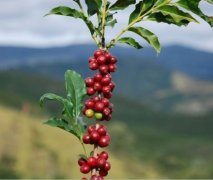
Fine Coffee study the forming Environment of Coffee trees
In botany, coffee trees belong to the evergreen trees of the subgenus Rubiaceae, and coffee beans, commonly known as coffee beans, are actually the seeds of the fruit of coffee trees, just because they are shaped like beans. Climate is the decisive factor for coffee cultivation. Coffee trees are only suitable for growing in the tropics or subtropics, so the zone between latitude 25 degrees south and north is generally called coffee belt or coffee area.

Romantic and warm pound coffee sugar-free pure black coffee beans can be ground coffee powder Italian concentrated
Romantic and warm Bond Coffee, also known as Rose Coffee, is one of the most popular fancy coffee in France. Unique creativity, beautiful shape, suitable for lovers to drink, or a person to enjoy the beauty of loneliness. The strong aroma of coffee mixed with the aroma of wine makes people ecstatic! The most beautiful is the coffee on the table at the moment, the flowers are brilliant, lovers look at each other and smile, how much affection between the petals
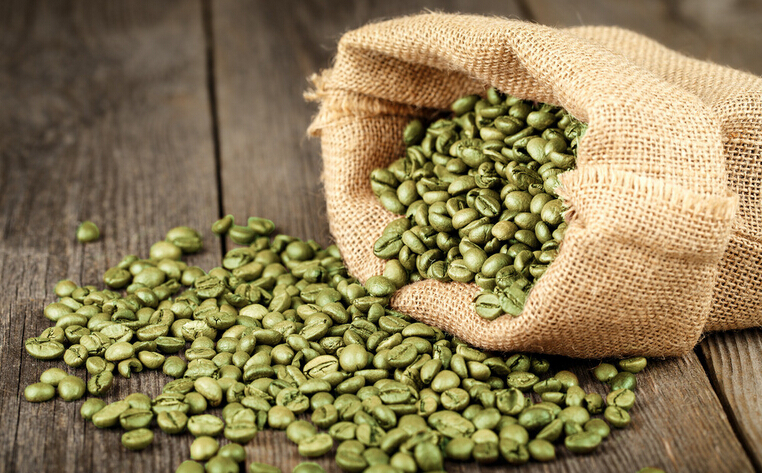
The classification of coffee beans. Classification of raw beans.
Plant classification Coffee tree belongs to the evergreen tree of Rubiaceae. Rubiaceae plants have been dominated by plants with special effects since ancient times, such as quinine tree, which is regarded as a specific drug for malaria, and Dugan, which is used to treat Amiba dysentery. Coffee is defined as the most unique alkaloid drinking flora. The fruit of coffee is made up of outer skin, pulp, endocarp, silver skin, and the species wrapped in the innermost layers mentioned above.

What Arabica coffee beans does Luckin Coffee use? Learn about the three major varieties of coffee!
Professional coffee knowledge exchange more coffee bean information Please follow the coffee workshop (Wechat official account cafe_style) Coffee varieties can be divided into Arabica (Robusta) Liberica (Arabica) generally speaking, Arabica is mainly used in single or boutique coffee, Robusta is used to make instant coffee. From the orientation of taste

How long does it take for coffee to blossom to bear fruit? requirements of planting environment on natural conditions
How long does it take for coffee to blossom to bear fruit the requirements of the planting environment for natural conditions the first flowering period of the coffee tree is about three years. The white five-petal tube-shaped flowers are fluttering with a faint fragrance of jasmine, and the inflorescences are arranged in dense clusters. It will wither after two or three days of flowering and begin to bear fruit after a few months. The fruit is a drupe, about 1.5 cm in diameter and initially green.

How long does it take for coffee trees to blossom to mature coffee berries?
How long does it take for coffee trees to bloom to mature coffee berries? coffee trees can only grow in the tropics and subtropics, and coffee trees can grow in different climates, soils, elevations and rainfall in the middle of the coffee belt. Coffee trees thrive in Africa's hot and humid canyons and forest rainforests, and it still produces high-quality coffee in cold, foggy, windy Central America.

Introduction to the types of coffee beans Starbucks Columbia Coffee region
Generally speaking, after two to three years of sowing, coffee trees can grow to a height of about five to ten meters, but in case coffee beans lose their aroma, taste bad, and are easy to harvest, farmers often repair them to about 1.5 to two meters. The change begins to bear fruit three to five years after sowing. The harvest period will be 20 years after the fifth year. The evergreen leaves of the coffee tree, with a pointed tip and two opposite groups.
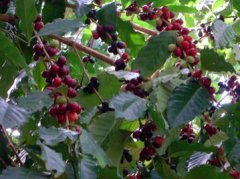
Basic knowledge of Coffee Coffee Tree Classification and growth picking period
Coffee tree belongs to the evergreen tree of Rubiaceae. Since ancient times, most of the plants of Rubiaceae are plants with special effects, such as quinine tree, which is regarded as a specific drug for malaria, and Dugan, which is used to treat amoeba dysentery. Coffee is defined as the most unique alkaloid drinking flora. The fruit of coffee consists of outer skin, pulp, endocarp, silver skin, and seeds (coffee beans) wrapped in the innermost layers mentioned above.

What is the basic knowledge of coffee? what do you need to pay attention to when making coffee?
Other coffee: the color of coffee flowers is white, jasmine fragrance, about 3-4 days withered, flowers 6 petals (5 male and 1 female, front split into two). The cotyledon tip of coffee is pointed, the two pieces are relatively grouped, the leaf surface is dark green, the back is light green, oval. The higher the growth height of coffee beans, the higher the acidity, and the price of coffee beans is higher than that of coffee with proper sour taste, such as Blue Mountain Coffee, which is sour.
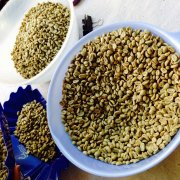
The growing environment of coffee trees evergreen trees of the subgenus Rubiaceae
The formation environment of coffee trees in botany, coffee trees belong to the evergreen trees of the subgenus Rubiaceae, and coffee beans, commonly known as coffee beans, are actually the seeds of the fruit of coffee trees, just because they are shaped like beans, so they are called coffee beans. Climate is the decisive factor for coffee cultivation. Coffee trees are only suitable for growing in the tropics or subtropics, so the zone between latitude 25 degrees south and north is generally called

Coffee shop beverage production training
The summer in Chongqing makes people want to soak in the pool and eat shaved ice all the time. Eating ice is the constant theme of summer cuisine and a necessary food to fight against summer in all directions. Taste a delicate ice product after dinner, just one bite, cold to death, minutes to drive away the summer impetuosity and annoyance. Siamese love Thailand exotic passion fruit, coconut, mango, banana, Europe
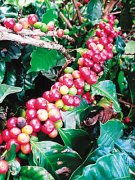
Classification of coffee trees
In recent years, coffee producing countries no longer blindly pursue high output while neglecting quality. Many countries have begun to introduce a new coffee evaluation system in order to arouse the enthusiasm of producers and promote the production of fine coffee. For example, Brazil began to implement the Cup of excellence coffee rating system in 1999 in order to better subdivide boutique coffee. And boutique coffee has become